por Raúl | Jul 24, 2026 | A0 Inglés para principiantes: niños
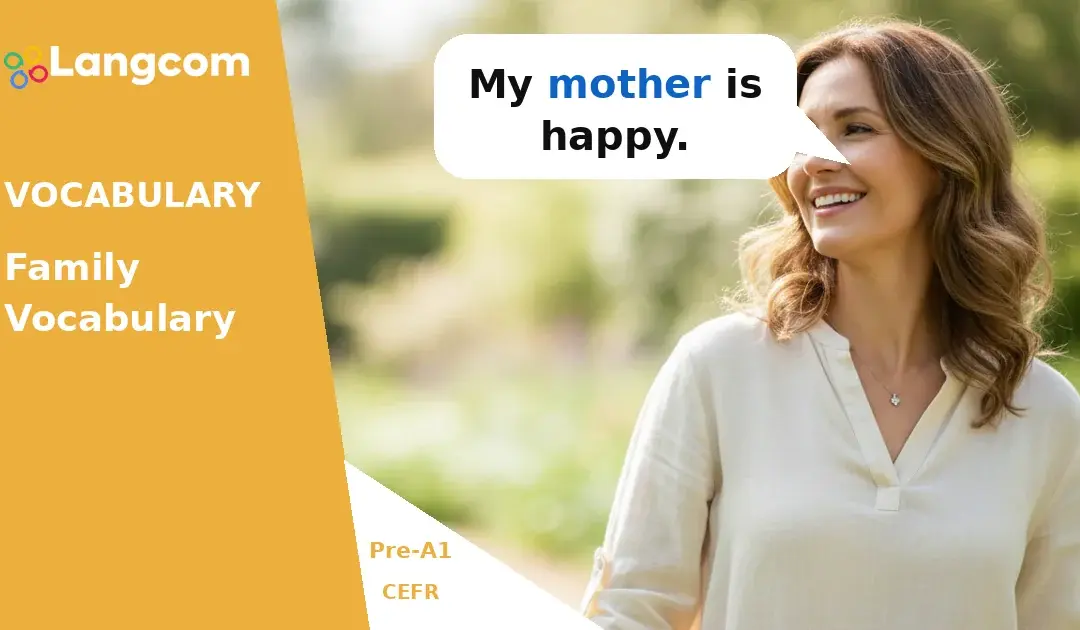
Learning basic family words in English helps you talk about the people you love and understand others. These words are essential for everyday conversations and building simple sentences. You can use them to introduce your family members or understand when someone...
por Raúl | Jul 22, 2026 | Inglés para niños: nivel pre-A1 (principiantes)
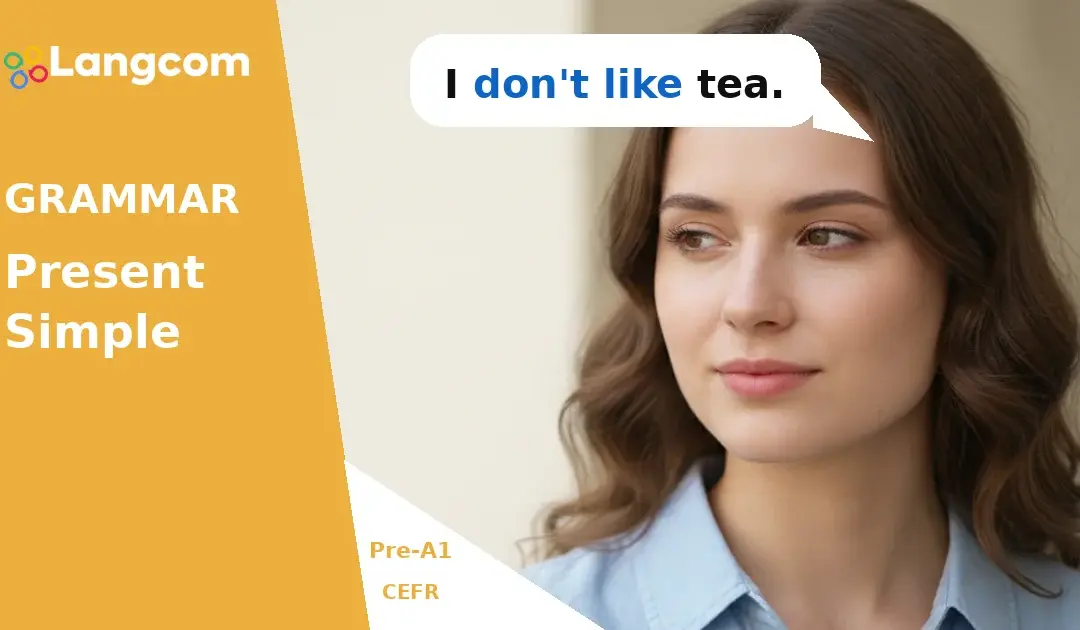
To make a sentence negative in the Present Simple, we use don’t or doesn’t before the main verb. This is how we say that something is not true, or that we do not do an action regularly. We use don’t for subjects like I, you, we, and they. For...
por Raúl | Jul 22, 2026 | Inglés para niños: nivel pre-A1 (principiantes)
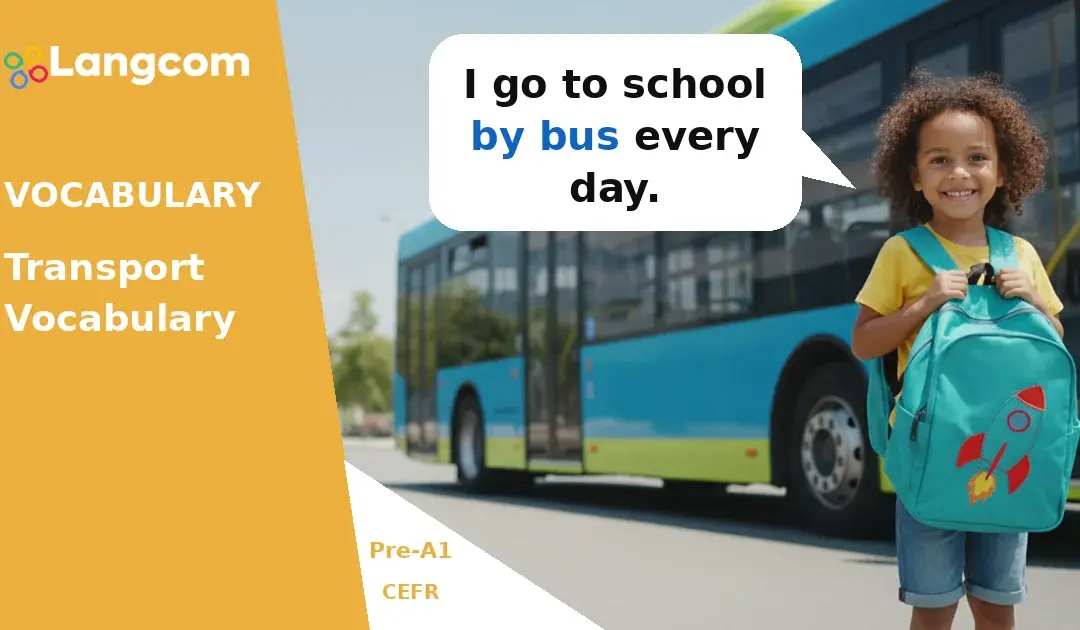
Learning basic transport words helps you talk about how you travel every day. These words are important for simple conversations and understanding directions. You will learn common ways people move from one place to another. This includes vehicles on land, in the air,...

por Raúl | Jul 22, 2026 | Inglés para niños: nivel pre-A1 (principiantes)
The Present Simple affirmative is for talking about things you do every day, habits, or facts that are always true. It helps you describe your daily routine, what you usually do, and general truths about the world. For most subjects like I, You, We, and They, you use...
por Raúl | Jul 22, 2026 | Inglés para niños: nivel pre-A1 (principiantes)
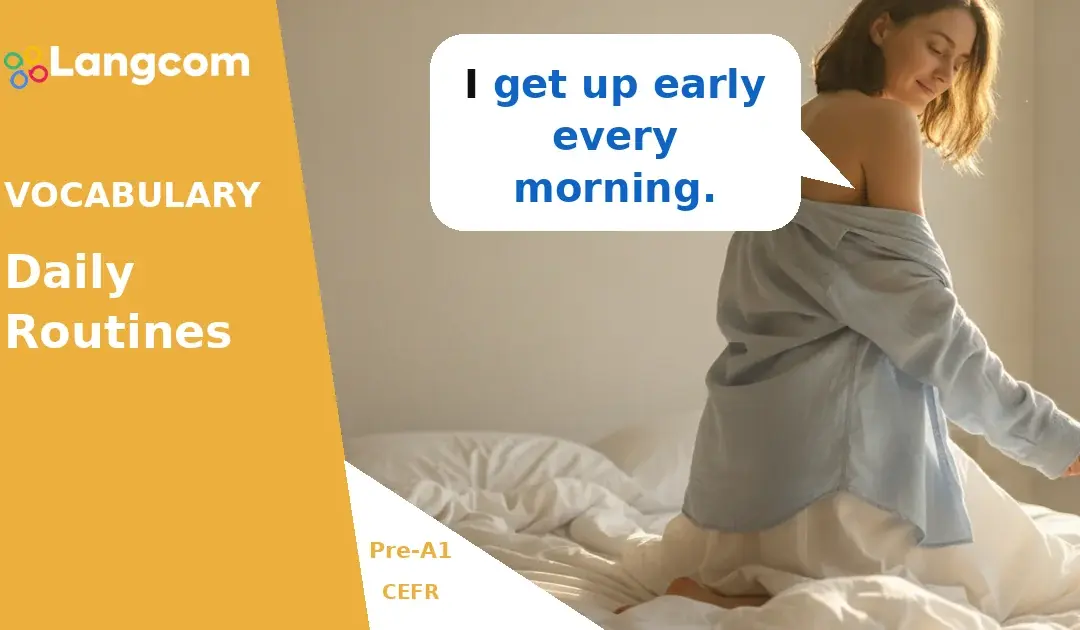
Daily routines are the actions you do every day, like waking up, eating, and sleeping. Learning these words in English helps you talk about your life and share your experiences. You can tell people what you do from morning to night, making new friends and...
por Raúl | Jul 22, 2026 | Inglés para niños: nivel pre-A1 (principiantes)
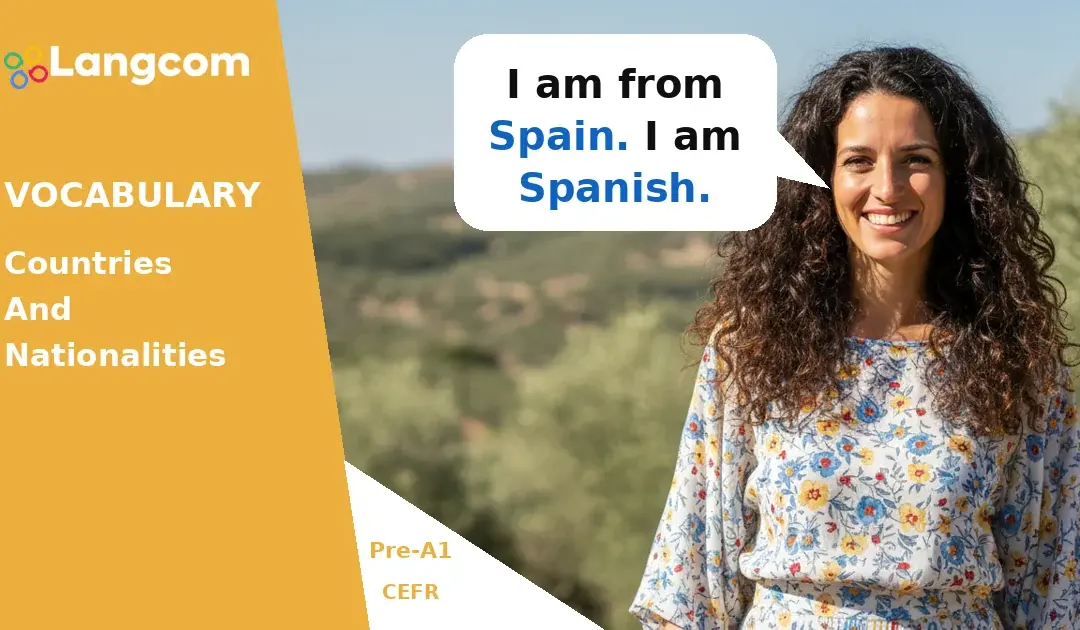
Nationalities are words that describe where a person or thing comes from. They are like adjectives. For example, a person from Spain is Spanish. A car from Japan is a Japanese car. In English, nationalities always start with a capital letter. We use them to say who we...
