di Raúl | Lug 26, 2026 | A2 Key (KET)
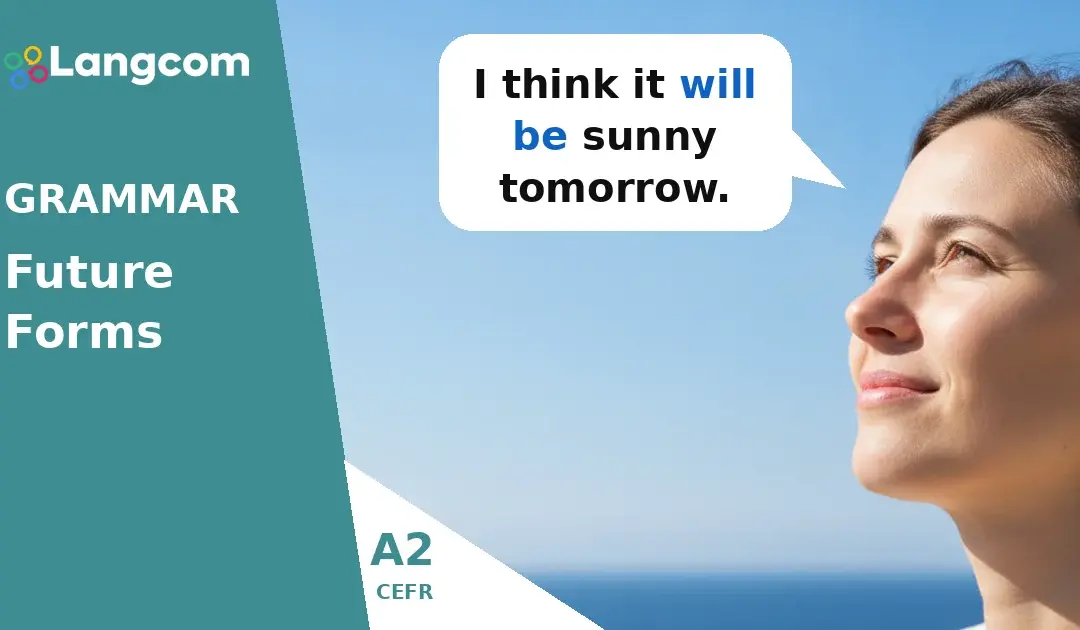
In English, you can talk about the future using will, the present continuous, or the present simple, but each has a different use. We use will for predictions about the future or for decisions we make right now. For example, I think it will rain tomorrow.We use the...
di Raúl | Lug 26, 2026 | A2 Key (KET)
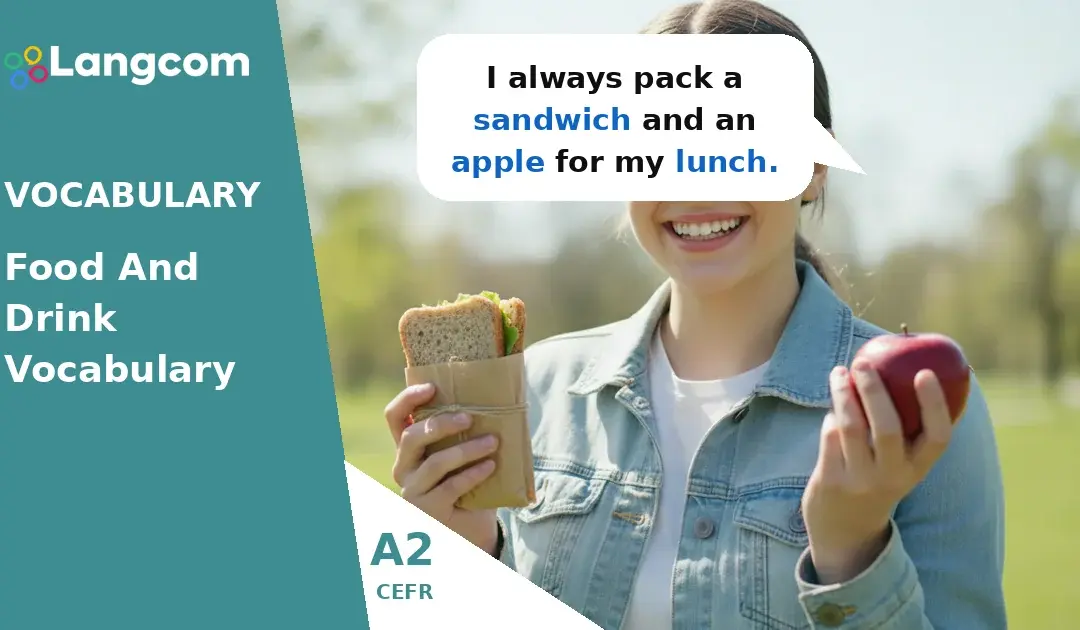
Learning English words for food and drink is very important for everyday conversations, especially when talking about meals like lunch. A lunch box is a special container used to carry food, often to school or work. Knowing the names of common items you might find...
di Raúl | Lug 25, 2026 | A2 Key (KET)
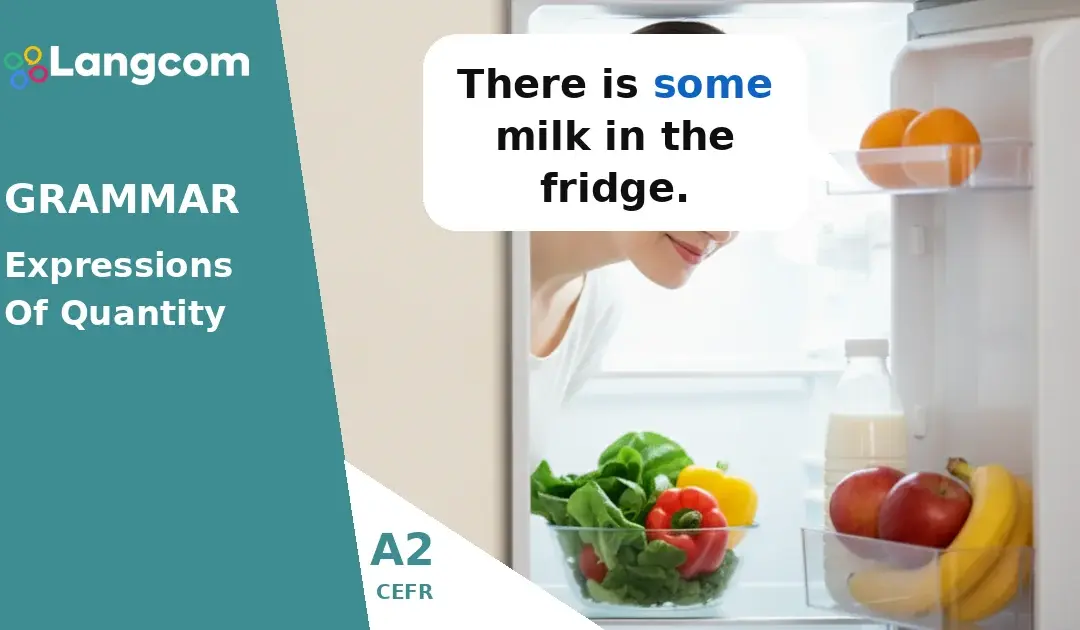
You use some in affirmative sentences and for offers or requests. You use any in negative sentences and most questions. These words are called quantifiers. They tell us about the amount or number of something. We use them with both countable nouns (things you can...
di Raúl | Lug 23, 2026 | A2 Key (KET)
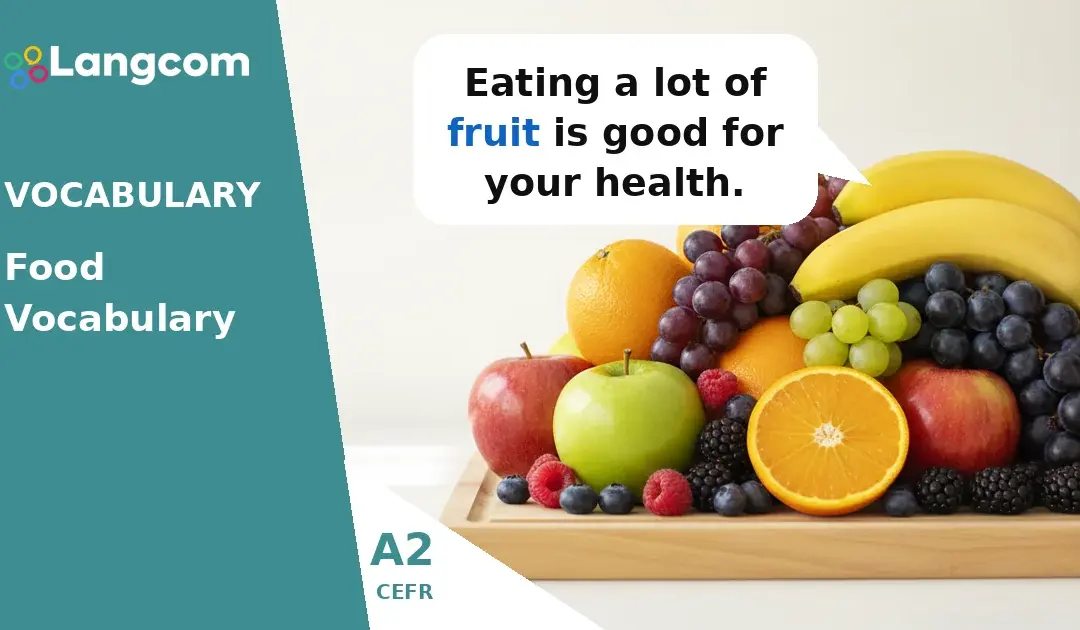
Learning English words for food groups like fruit, vegetables, and dairy products helps you talk about healthy eating and what you buy. These words are essential for everyday conversations, from ordering food in a restaurant to discussing your diet with friends. We...
di Raúl | Lug 20, 2026 | A2 Key (KET)
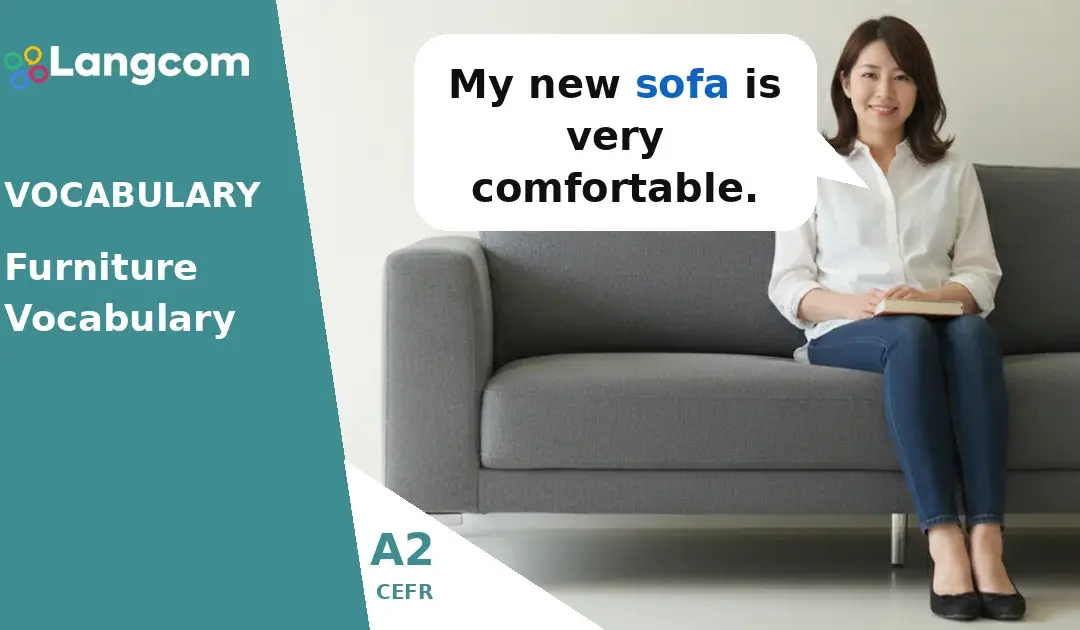
Learning essential furniture vocabulary is key to describing your home and daily life in English. These words help you talk about the objects in different rooms, from where you sleep to where you eat. For A2 English learners, knowing words like sofa, bed, table, and...
di Raúl | Lug 20, 2026 | A2 Key (KET)
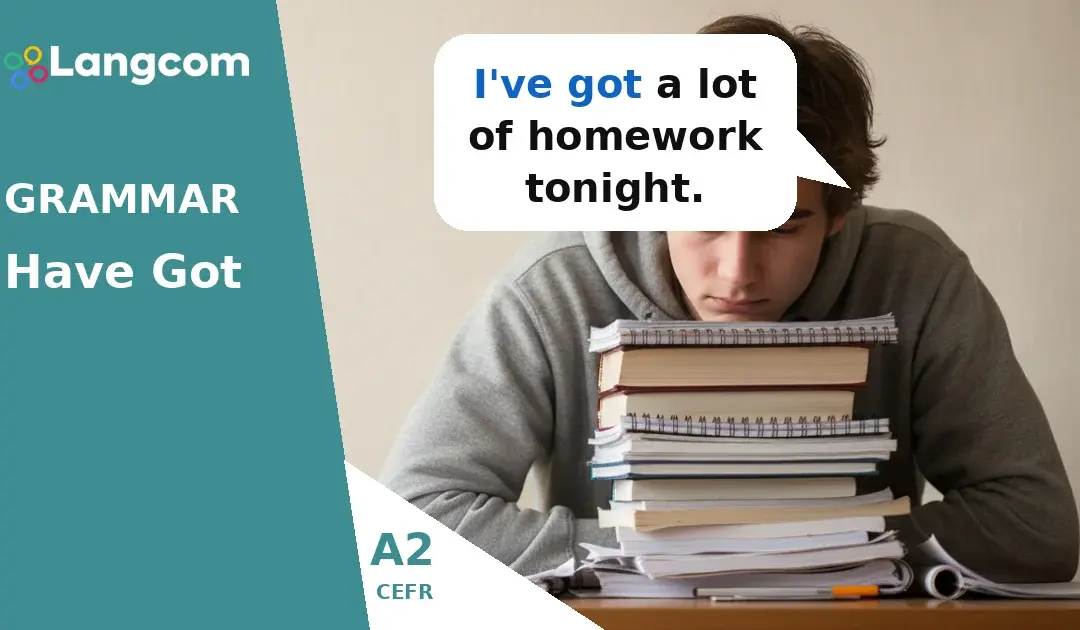
Have got is a common way to express possession, relationships, and characteristics in English, especially in informal speech. It means the same as have when talking about owning things, family members, or how someone looks. For example, you can say I have a car or...
